Lingerie's Guide to Contents

To offer you more sweetness, comfort and originality, lingerie and homewear brands exercise scientists Mixtures of materials to create their collections. Natural or created by man, textile fibers play a sometimes unsuspected role in the quality or balance of our underwear.

Here is a horizon of the materials that make up our lingerie.

Cotton

Wool

Silk

Lin

Ramie

Modal

Viscose

Lyocell


Polyester

Polyamide

Elastane


Natural materials

In other words: materials designed from vegetable fibers (plants, trees)
or animal (hair, fur, secretion ...)

COTTON

Natural vegetable fiber from cotton, shrub with fluffy flowers grown in countries that benefit from a good sunshine.

Benefits of cotton

  • Absorbent
  • Soft
  • Anallergique
  • Breathable
  • Resistant
  • Very good
  • Easy to clean

Use of cotton

We find cotton in the night shirts, pajamas, T-shirts ... and in the lining of underwear. Fresh and pleasant to the touch, this natural material supports frequent and high temperature washing very well.

VARIANTS

  • Egyptian Mako Cotton
    A noble fiber because very fine, bright and flexible. Rather rare (5% of global production), Egyptian Mako cotton does not shrink or compared with conventional cotton. This precious cotton Finds its place in high-end clothes.
  • Scotland thread
    Mako Egyptian Mako Cotton Mercetized, softer, silky, shiny and stronger. Find it in the summer collections of Ready to wear Scotland At Oscalito, excellent alternative to wool in summer, or in the Scotland wire socks signed HOM...
  • Pima cotton
    Noble and rare cotton from Peru, nicknamed " Silk from South America ". Its fine and long fibers give it a silky touch and flexibility, ensuring sustainable strength and durability with conventional cotton. We find PIMA cotton items In the collections of brands like sloggi, HOM or Calida ...
  • Interlock
    Knitted double jersey cotton fabric, slightly stretch, pleasantly thick. It is used in particular for pajamas, night shirts or some quality man underpants. See interlock cotton items.

WOOL

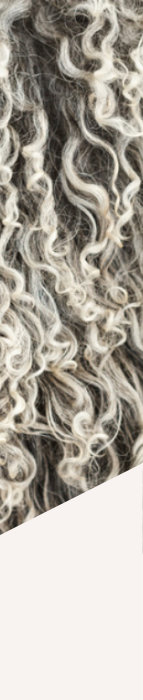
Animal natural fiber from mowing or combing sheep, goats, cattle, rabbits ...

Benefits of wool

  • Insulating
  • Absorbent
  • Raincoat
  • Breathable
  • Antistatic
  • Self-cleaning
  • Anti-smells

Use of wool

Naturally flexible and soft, cold insulating, wool is particularly used in our winter clothing and underwear collections.

VARIANTS

  • Merino wool
    From the merino sheep, raised in the Prairies of Australia and New Zealand. Its frying fiber more fine than classical wool gives fine knit, light, very soft and soft. Often associated with silk, for an incomparable touch, the wool is present in the Wool and silk collections Brands like Oscalito, or Calida.
  • Kashmir
    Rare and valuable wool, resulting from the cozy hiding goat of the Himalayas. Ultralight and extremely fine, Kashmir is also often mixed with other materials such as silk, giving refined and luxurious clothes.

SILK

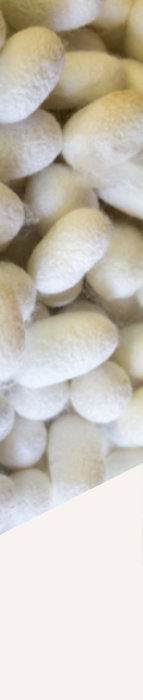
Animal natural fiber produced by the "Bombyx Mori" silk worm (mulberry tank) that produces a drool that measures up to 2 kilometers long! Used pure, or mingled with merino wool or precious cotton, silk gives elegant, soft, resistant and shiny clothes.

Benefits of silk

  • Thermorégulante
  • Hypoallergenic
  • Breathable
  • Anallergique
  • Light
  • Fluid
  • Solid
  • Sustainable

Use of silk

Luxurious and delicate, silk is a material appreciated in lingerie. It is found in the composition of supports-gorges, nuisettes and negligees Or in the loan to wear high-end, often mixed with noble wool.
Silk is often associated with other natural materials, such as merino wool. The mix wool and silk Sublime the shine and the softness of the garment and increases its resistance.

LIN

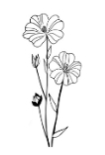
Natural vegetable fiber from the flax plant, grown in small quantities, mainly on the coast of Western Europe (France, Belgium, the Netherlands). This long fiber requires very little water (the rain is enough!) And fertilizer. We therefore speak of an ecological, precious and silky fabric.

Advantages of flax

  • Ecological
  • Thermorégulant
  • Breathable
  • Anallergique
  • Lightweight
  • Absorbent
  • Solid
  • Sustainable

Using linen

Pure woven or cotton associated for example, linen is very appreciated in the summer clothes, beach dresses and tunics, and easily in the composition of high-end ready-to-wear parts ...

RAMIE

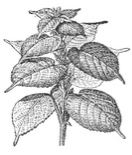
Also called " China's nettle »| Natural vegetable fiber from a perennial plant from the Far East, obtained during flowering. This occurs up to 6 times a year and therefore allows an abundant harvest, and without pesticides! The Ramie fiber gives a bright and soft textile nicknamed " Vegetable silk ". Ramie is often mixed with linen or wool and composes some clothes like skirts or summer dresses.

Benefits of Ramie

  • Ecological
  • Rot-proof
  • Antibacterial
  • Absorbent
  • Resistant
  • Sustainable

Using Ramie

Like flax, to which it is often associated, the fabric of Ramie is appreciated for its lightness and its Fresh touch in summer. Its thin, elegant and refined appearance goes hand in hand with chic and aesthetic clothing and underwear, like light dresses and tunics for hot days.

Artificial materials

In other words: fibers obtained by chemical treatment of natural materials, including cellulose.

MODAL

Artificial fiber of natural origin obtained from cellulose of beech wood in particular. The modal is appreciated for its exceptional sweetness and its silky appearance.

Advantages of the modal

  • Absorbent
  • Ultra soft
  • Infroissable
  • Do not shrink
  • Do not discolor
  • Very goodwashed
  • Versatile
  • Naturalness

Using the modal

The cotton + modal mix offers a Luxurious touch and ultra soft, Very appreciated in underwear, including men's boxers and female lingerie with ultra soft lace.

Light and fluid material, the modal is often used in the design of summer clothes, sporty sports or interior clothes such as the ignitts, undressed, pajamas ...

VISCOSE

Also called " Artificial silk Natural fiber from cellulose of certain trees or plants, like the bamboo.

Advantages of viscose

  • Silky appearance
  • Very resistant
  • Infroissable
  • Increased brilliance
  • Bright and durable colors
  • Fast drying

Use of viscose

Flexible, fine, soft to the touch, viscose is appreciated in the Summer collections, for the creation of fluid dresses, light pajamas or Smooth and soft underwear, essentially.

Lingerie-Sipp offers you from the viscose lingerieas well as the Night items in bamboo viscoseExceptional touch! Viscose is between often in the composition of bras and briefs to strengthen itSilky or satin appearance.

TENCEL ® LYOCELL

Artificial ecological fiber Obtained from eucalyptus, bamboo and pine pulp, trees that consume very little water, and transformed into textile fiber with low polluting processes and a natural and recyclable solvent.

Benefits of Lyocell

  • Biodegradable
  • Antibacterial
  • Hypoallergenic
  • Absorbent
  • Breathable
  • Thermorégulant
  • Refreshing
  • Resistant
  • Sustainable

Using the Lyocell

With a very nice touch halfway between cotton and silk, the Lyocell is increasingly used by lingerie brands to produce Ultra-soft and comfortable underwear, with the particularity of perfectly regulating the temperature.

With its ecological virtues and a growing coast of popularity, there is no doubt that the Lyocell has beautiful years before him.

Synthetic materials

That is: non-natural materials obtained by chemical reaction.

POLYESTER

Synthetic fiber obtained by chemical transformation of a plastic and converted into appearance and varied uses: fine or thick, rigid or flexible ...

Benefits of polyester

  • Versatile
  • Extensible
  • Infroissable
  • Easy to clean
  • Dry
  • Do not rub off
  • Strengthens underwear

Using the polyester

Very versatile, the polyester allows to innovate by creating all kinds of materials, like the tulle bras, the microfiber Pajamas and the satin Nighties, the polar bathrobes and the fur room dresses, or the light sail Beach dresses ...

Polyamide (Nylon)

Synthetic fiber from petrochemicals, with a manufacturing process that approaches that of the polyester.

Very light, with good elasticity and longevity, polyamide is also a waterproof and highly breathable material, which makes it very useful in textile design, including sports and seaside.

Associated with other fibers, it contributes to Strengthen the strength of underwear.

Advantages of polyamide

  • Infroissable
  • Very solid
  • Lightweight
  • Elastic
  • Dimensionally stable
  • Breathable
  • UV resistant
  • Resistant to perspiration
  • Sustainable
  • Ultra fast drying

Use of polyamide

Very used in lingerie, the polyamide makes it possible to create the solid and brilliant veil of the low and tights, the solid mesh of swimwear, the satin of nuisettes, the microfiber of brassières Or the hats of bras ...

Elastane

Synthetic fiber derived from a synthetic rubber called polyurethane, molecule from oil.

Benefits of Elastane

  • Elastic
  • Flexible
  • Solid
  • Antistatic
  • Silky touch
  • Infroissable
  • Fast drying

Using the elastane

The elastane is an elastic fiber that is today present in almost all underwear, to allow a pleasant fit, better comfort, and greater strength of matter.

One high percentage of elastane is even present in swimsuits, bodies, or the Lingerie Sheathing and pregnancy clothes, which require an elasticity and strength to any event.

VARIANT

Lycra | High quality elastane fiber, also called "Spandex"In the Anglo-Saxon countries. All major lingerie brands and swimsuits use Lycra, quality and resistance of a product.

Categories: Culture Lingerie